
Professional Skin Health & Care
Expert-led aesthetic care focused on education, personalised planning, and results that respect your individuality. Every decision, thoughtfully made.

Aesthetics, at its core, is about helping people feel comfortable and confident in their own skin. It is not about imposing change or chasing an unrealistic ideal — it is about supporting the relationship a person has with their own appearance.
When how we feel on the inside aligns with how we present to the world, it can strengthen our ability to engage freely — in professional settings, in social life, and in everyday moments. That alignment is what good aesthetic care is designed to support.
Aesthetics encourages people to embrace and feel more confident about their unique natural attributes. Small, considered enhancements and skin support can make a genuine difference — not by changing who you are, but by helping you feel more at ease with yourself. This is always approached in an educated, considered manner, with natural outcomes and personal health at the centre.
"Aesthetics is about much more than looks. It is also about the relationship people have with themselves — and supporting a healthy sense of self that feels good."
Professional aesthetic care is built on clinical knowledge, considered planning, and a deep respect for each individual's health and wellbeing. The difference between a thoughtful, professionally led approach and an unguided one is significant — both in terms of results and safety.
No two people have the same skin, facial structure, or personal goals. Professional care starts with understanding the individual — not applying a generic formula. Every recommendation is informed by that specific person's needs.
Modern aesthetics is informed by a thorough understanding of facial anatomy, skin biology, and the way treatments interact with the body's natural processes. That clinical foundation ensures treatments are not just effective, but appropriate.
The aim of professional treatment is never to dramatically alter features, but to restore or preserve natural harmony. Subtle, considered adjustments are far more valuable than dramatic changes when it comes to lasting, natural-looking results.
Safety is a core value in responsible aesthetic practice. From reviewing medical history to applying established techniques, every stage of the process is conducted with your health and wellbeing in mind.
An informed patient is empowered to make decisions that truly reflect their goals. Understanding how treatments work, what outcomes look like, and what to realistically expect is an essential part of the professional aesthetic experience.
Responsible aesthetics keeps long-term skin health at the forefront. Rather than quick fixes, the emphasis is on supporting the skin's own processes over time — maintaining balance and quality that endures.
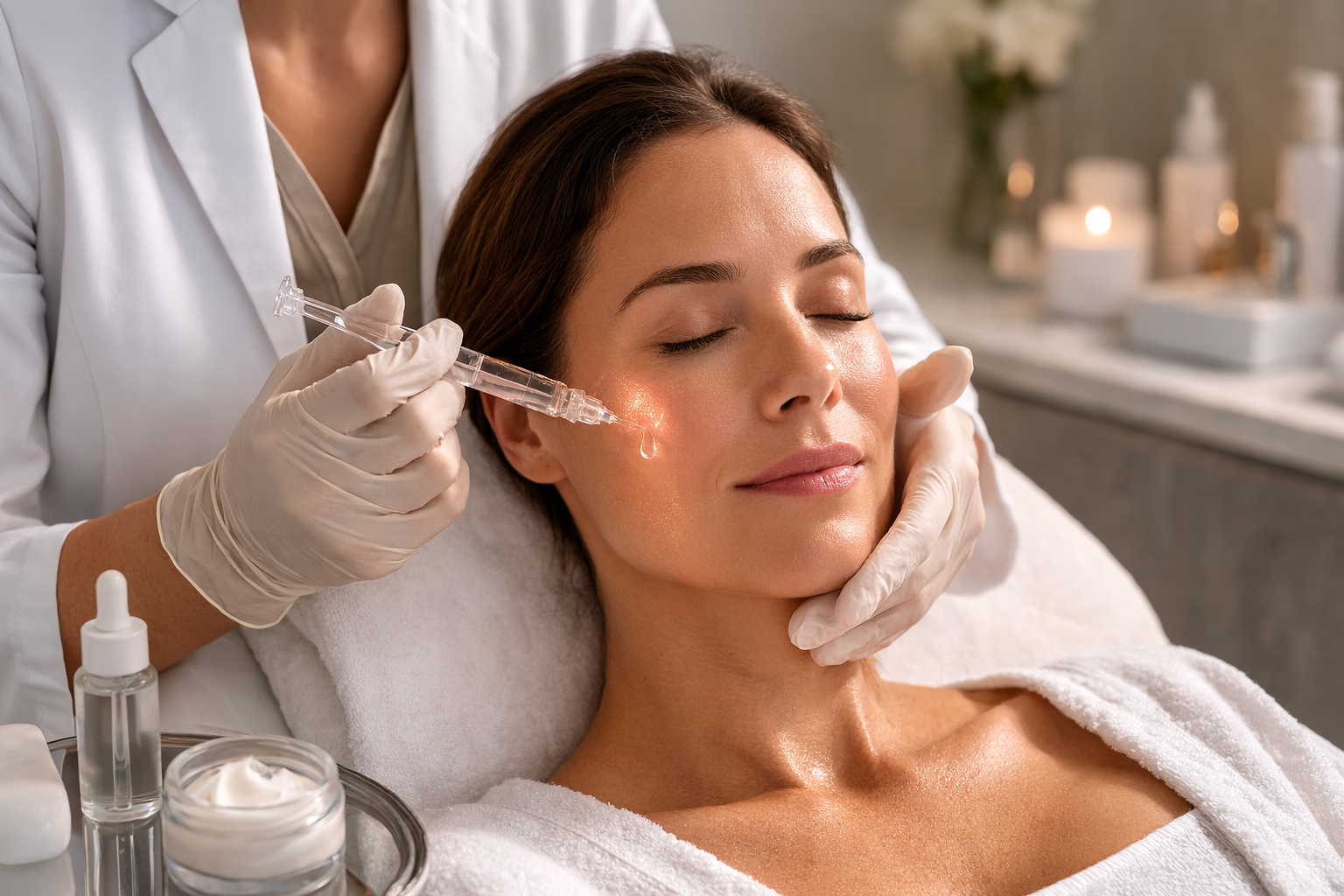
Modern aesthetic treatments are designed to work in harmony with the body's natural biology — not against it. Rather than imposing dramatic structural change, the most advanced approaches today aim to stimulate, support, and gently guide the skin's own renewal processes.
Key skin health components — hydration, structural support, cell renewal, and protection from environmental stress — all contribute to a balanced, vibrant complexion. Aesthetic treatments can be part of this process by supporting these elements in targeted ways.
Many treatments are engineered to release gradually, in accordance with the body's own biology. This means results tend to evolve naturally over time, which allows the skin and facial structures to respond in a measured, organic way.
Advances in technology have also made treatments more precise. Today's methods benefit from a much deeper understanding of how the skin and underlying structures respond to different approaches — which means treatments can be planned with greater care and delivered with more targeted accuracy than ever before.
Certain treatments are designed to encourage the skin's own renewal processes. By working with the body's biology, they help improve texture, tone, and quality in ways that feel gradual and authentic.
As the skin changes over time, areas of the face may lose some of their natural architecture. Aesthetic treatments can gently provide support in these areas — restoring balance rather than altering features.
Some approaches focus on bolstering hydration and refining surface texture, helping the skin appear smoother, brighter, and more resilient — results that reflect the underlying health of the skin itself.
Modern techniques can be modified based on individual skin types, concerns, and goals. This level of personalisation ensures treatments are as targeted and effective as possible for each unique individual.

There is no single type of person who explores aesthetic treatments. Individuals represent a wide range of ages, backgrounds, and personal histories. What they often share is a curiosity about how to support their skin and maintain their appearance in a natural, considered way.
For some, interest in aesthetics begins when they start to notice gradual changes — fine lines developing, skin feeling slightly less firm, or certain areas appearing a little more tired than before. These are natural changes, and aesthetics can offer a way to better understand and gently support the skin as it evolves.
Interest in aesthetic options commonly arises during the thirties and forties, when early signs of skin ageing may first become noticeable. At this stage, many people seek support not because they feel they need to change, but because they want to maintain the balanced, healthy appearance they already have.
Others come to aesthetics later on. As natural changes to facial structure, skin tone, and elasticity become more visible, aesthetics can offer subtle, gentle ways of supporting the skin's appearance — not through dramatic transformation, but through careful, thoughtful care.
Many people exploring aesthetics already have an established skincare routine and see aesthetic treatment as a natural continuation of their commitment to healthy skin. For them, aesthetics is an extension of self-care rather than an isolated intervention.
Lifestyle can significantly affect the skin. Busy schedules, stress, environmental exposure, and daily habits all play a role in how the skin looks and feels. Aesthetics can offer considered support for people whose skin has been influenced by these external factors.
Some people explore aesthetics primarily for education — to better understand their skin, learn how it is changing, and consider what options might be available to them. A consultation can be valuable simply as a source of information, with no obligation to proceed with treatment.
It is equally important to acknowledge that many people are perfectly content without aesthetic treatment of any kind. Skin changes naturally with time, and choosing to embrace those changes is an entirely valid and individual decision. Aesthetics should always emerge from personal curiosity and comfort — never from external pressure or societal expectation. The decision belongs entirely to you.
Understanding the natural processes that affect the skin over time is an important part of approaching aesthetics in an informed way. Many visible changes are simply the result of the body's biology — and knowing what drives them can help individuals make more considered decisions about care.
Over time, the skin's ability to retain moisture can decrease. This can result in a slightly rougher surface texture, a less luminous appearance, and a general sense that the skin feels less supple than it once did. Supporting hydration is often one of the most fundamental aspects of skin health care.
Natural changes to the underlying architecture of the face can occur gradually over time. Areas that once appeared full and balanced may lose some of their structural support, which can subtly alter the overall harmony of facial proportions. These changes are entirely natural and vary from person to person.
Fine lines often begin to appear in areas of repeated movement — around the eyes, at the corners of the mouth, and across the forehead. These are a natural part of facial expression and skin maturation. Laughter lines and expression marks carry character, and any approach to addressing them should always preserve that character.
The skin's condition is significantly influenced by lifestyle factors such as sun exposure, stress, sleep quality, and diet. People who spend considerable time outdoors, for example, may notice environmental effects on their skin earlier or more prominently than others. These influences are as relevant to skin care as any biological factor.
Genetics plays a meaningful role in when and how visible skin changes occur. Some individuals will notice signs of ageing earlier than others simply due to their hereditary makeup. These natural variations mean that there is no universal timeline for when aesthetic concerns may arise.
The proteins responsible for the skin's elasticity and firmness naturally reduce in production over time. This can lead to subtle changes in skin firmness and the way certain areas of the face appear — changes that are gradual and vary widely from person to person based on both genetics and lifestyle.
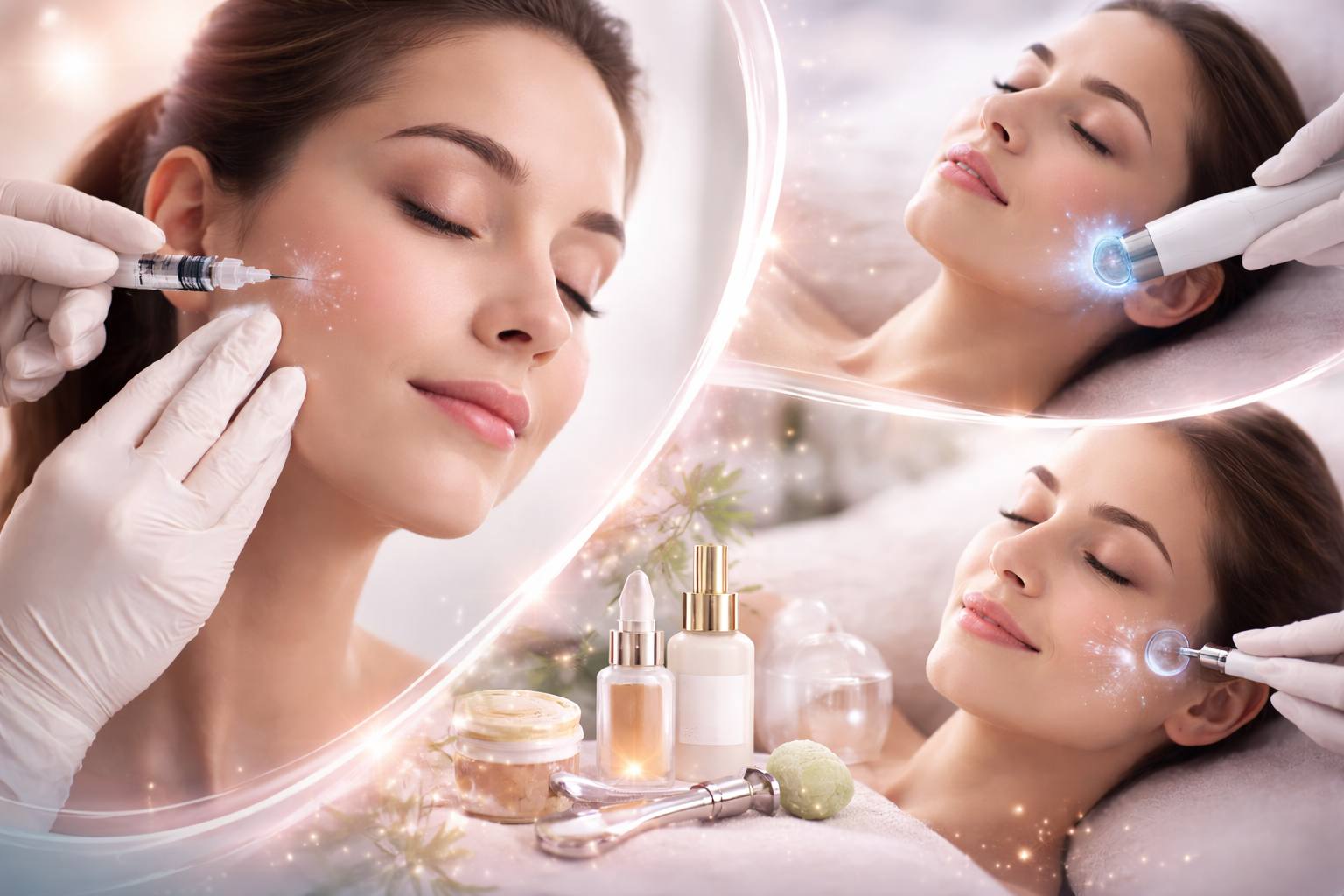
Modern aesthetic care has shifted significantly toward non-surgical approaches. These minimally invasive techniques are designed to nourish and support the skin rather than alter it through surgical means — a philosophy that reflects the broader movement toward subtle, natural-looking results.
A wide range of non-surgical aesthetic approaches are available today. Some are focused on enhancing hydration and surface texture. Others assist in rebalancing subtle structural changes that may have developed over time. The emphasis throughout is on working with the body's own processes, not against them.
The process typically begins with a thorough consultation. This is an opportunity to discuss goals, ask questions, and understand the full range of options. Any treatment plan that emerges from this process is tailored specifically to the individual — informed by their skin condition, facial structure, lifestyle, and personal priorities.
Treatments are generally designed to be subtle in their effect, allowing results to evolve naturally over time. Rather than producing immediate, dramatic changes, the aim is usually a gradual improvement that feels authentic and proportionate.
Minimally invasive procedures focused on skin nourishment, hydration, texture, and quality. Designed to work with the body's natural biology for gradual, authentic-feeling improvement.
Gentle approaches to restoring harmony in areas where the natural architecture of the face may have subtly changed over time. The focus is on proportion and balance rather than alteration.
Treatments targeted at stimulating the skin's renewal processes and improving overall quality — resulting in a complexion that appears brighter, more even, and healthier overall.
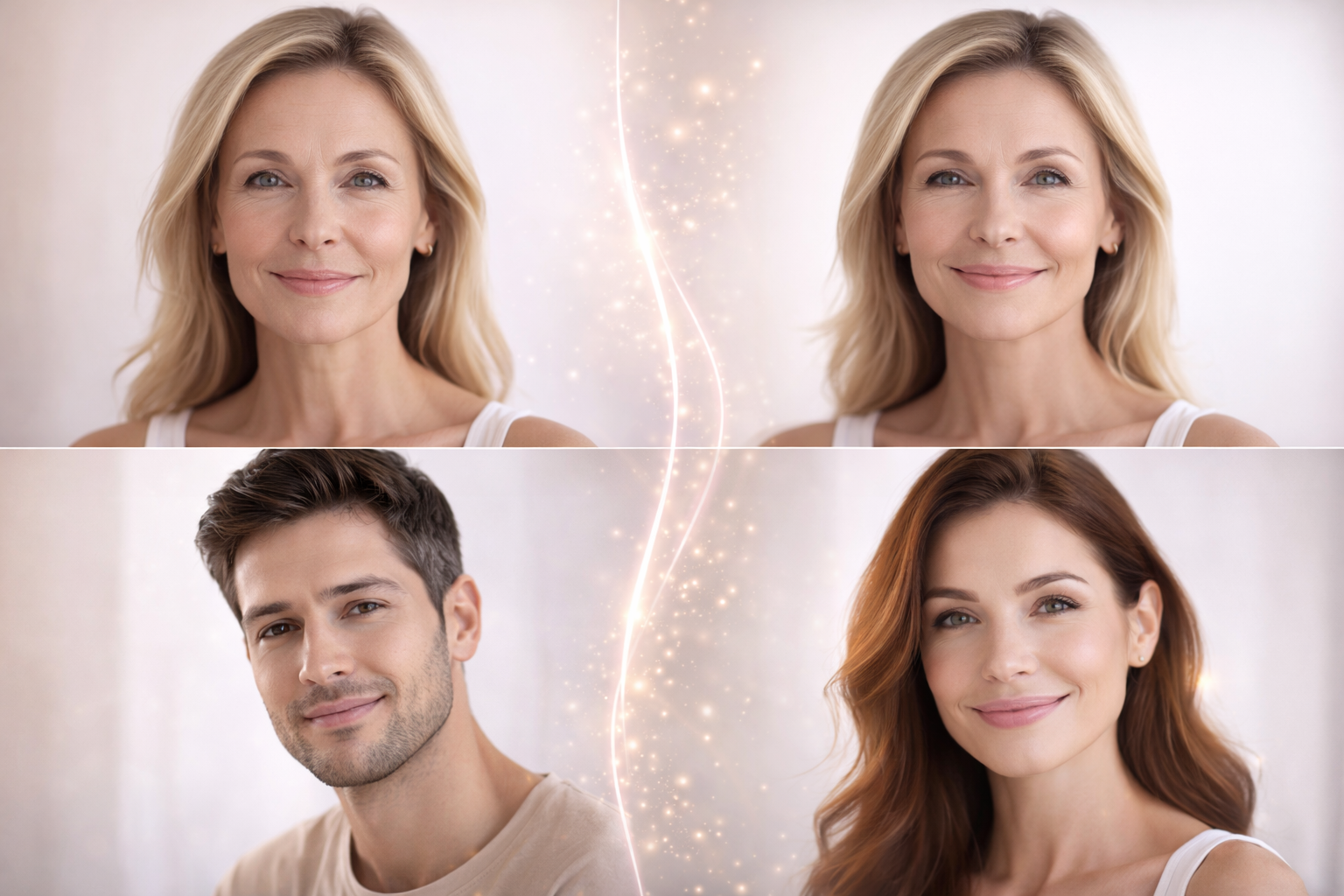
One of the most important aspects of a positive aesthetic experience is setting realistic expectations from the outset. Understanding what treatments can and cannot do — and what a natural, well-considered result genuinely looks like — is fundamental to the process.
Most people exploring aesthetics are seeking outcomes that look natural — a refreshed, balanced appearance rather than a radically altered one. The goal is never to produce a sweeping change, but to contribute to an appearance that looks well-rested, brightened, and quietly supported.
When done thoughtfully, the best aesthetic results often go unnoticed as treatments and instead allow the person themselves to be what is noticed. The aim is for individuals to feel like themselves — only more comfortable in their skin.
Aesthetic results generally unfold slowly, giving the skin and facial structures time to respond naturally. This gradual progression is intentional — it allows us to stay true to our natural appearance without any radical or overt transformation becoming apparent all at once.
This slow, considered timeline is one of the most reassuring aspects of modern aesthetics for many people. It means changes feel integrated rather than imposed.
Responsible aesthetics also means being clear about what treatments cannot achieve. No aesthetic procedure can permanently halt the natural ageing process, nor would it be appropriate to try. The emphasis is on support and balance — not the pursuit of unattainable perfection.
When expectations are grounded in reality and aligned with a natural approach, the aesthetic experience tends to be genuinely positive — building confidence while keeping the sense of self intact.
Healthy skin is a lifelong journey. Maintaining results over the long term generally involves a combination of good skincare habits, appropriate sun protection, and — where suitable — periodic treatments focused on supporting skin quality in targeted areas.
Consistency, rather than dramatic intervention, tends to be the most effective and sustainable approach to lasting skin health.
Safety is among the most fundamental values in aesthetic care. Responsible practice means treating each individual's health and wellbeing with genuine care and respect — at every stage of the process, from initial consultation through to treatment and aftercare.
This commitment to safety begins with a comprehensive assessment. Medical history, skin type, and any factors that may affect treatment suitability are carefully reviewed. This thorough evaluation is what ensures that treatments are not only appropriate for the individual but are provided responsibly and with their long-term health in mind.
Safety also means applying established techniques and maintaining professional standards throughout. Careful planning, technical skill, and continued education in the field are each important components of modern aesthetic practice.
Responsible aesthetics also means acknowledging when treatment is not the right course of action. In some situations, the most appropriate recommendation may be to wait, consider alternatives, or focus on a dedicated skincare regimen rather than proceeding with a cosmetic procedure. This honest, patient-centred approach is what keeps aesthetics focused on wellbeing, balance, and long-term skin health.
Every individual undergoes a full review of their medical history, skin type, and relevant lifestyle factors before any treatment is considered. This ensures recommendations are appropriate and responsible.
Only professionally recognised, evidence-informed approaches are used. Clinical skill and ongoing professional development are central to maintaining the standards that safe aesthetic practice demands.
When treatment is not suitable, that will always be communicated clearly. The focus is on what genuinely serves each individual's wellbeing — not on proceeding with a treatment simply because it has been requested.
Aesthetic treatment does not end when a session concludes. Thoughtful aftercare is an important part of the overall experience, helping to protect results, support the skin's recovery, and maintain long-term skin health.
In the period immediately following treatment, the skin may benefit from gentle handling and specific care guidance. This typically includes avoiding certain environmental exposures, refraining from particular skincare products for a short period, and keeping the skin well hydrated. These steps help support the skin as it responds to treatment and settles naturally.
Long-term results are often best maintained through a consistent daily skincare routine. Gentle, quality products that support hydration, protection, and cell renewal can make a meaningful difference — not only in preserving aesthetic results, but in the overall quality and resilience of the skin over time.
Sun protection is among the most important habits for long-term skin health. Consistent use of appropriate SPF helps protect against environmental stress that can accelerate visible skin changes. For anyone invested in their skin's appearance, this is a fundamental daily practice regardless of whether aesthetic treatments are part of their routine.
Diet, hydration, sleep quality, and stress management all have a genuine impact on the skin's condition. These lifestyle factors interact with any aesthetic care received — supporting or undermining the health of the skin depending on how well they are managed. Integrating these daily habits into a broader approach to skin care contributes to results that are both sustainable and meaningful.
Because the skin continues to change over time, periodic reassessment can be a valuable part of a long-term aesthetic care plan. Goals and priorities may shift, and treatments can be adjusted accordingly. A long-term relationship with an aesthetic professional allows for this kind of responsive, evolving approach to care.
Aftercare is also a time for open communication. If anything feels unexpected or concerning following a treatment, discussing it promptly with the treating professional is always encouraged. Good aesthetic care is an ongoing conversation — and that dialogue does not end once a treatment has been delivered.
We understand that approaching aesthetic treatment for the first time — or returning after some time away — can come with many questions. The following addresses some of the most common areas of curiosity.
The aesthetic journey is rarely identical for any two people. Experiences vary widely — shaped by individual goals, personal histories, and the nature of each person's relationship with their own appearance. The following reflects some of the common themes that arise along the way.
I had never considered aesthetic treatment before, but I had been noticing changes in my skin and wanted to understand what was happening. The consultation felt genuinely educational — I left with a clearer understanding of my skin and what options might support it, without any pressure to do anything.
— A patient in their early forties
What I appreciated most was how unhurried the whole process felt. I was given time to ask questions, think things through, and come back when I was ready. The results have been subtle — exactly what I was hoping for. I simply feel more comfortable in my skin.
— A patient in their mid-fifties
I had done a lot of reading before making an appointment, but there is a difference between reading about something and actually having a knowledgeable professional explain it in relation to your own face. The personalised approach made all the difference to how confident I felt in the process.
— A patient in their late thirties
Across the breadth of patient experiences, a few consistent themes tend to define the most positive outcomes: feeling genuinely heard during the consultation, being given realistic information about what to expect, having time to make decisions without pressure, and ultimately seeing results that feel natural and authentic. These principles guide every aspect of the care provided here.
Everything in this practice is guided by one fundamental principle: each patient is an individual, and their care should reflect that. From the first consultation to ongoing support, the approach is shaped around what genuinely serves the person in front of us.
Every patient journey begins with careful listening. Understanding individual goals, concerns, and expectations is the only foundation on which meaningful, appropriate recommendations can be built. No two consultations are the same — because no two patients are the same.
Informed patients make better decisions. Providing clear, accessible information about how treatments work, what outcomes are realistic, and what the experience will involve is a core part of this approach. Questions are always welcomed, and information is always shared honestly.
Treatment plans are built around the individual — their skin condition, facial structure, lifestyle, and personal priorities. Personalisation is not an optional extra; it is the standard. A considered plan maintains balance across both face and skin rather than addressing things in isolation.
Clinical safety is embedded in every decision made. From pre-treatment assessment to the selection of techniques, safety considerations are always at the forefront. If a treatment is not appropriate for an individual, that will always be communicated clearly and honestly.
The right outcome for some individuals is no treatment at all. A recommendation to focus on skincare, lifestyle changes, or simply to gather more information before deciding is every bit as valid as a recommendation to proceed. The goal is always the patient's genuine wellbeing, not treatment for its own sake.
Good aesthetic care is an ongoing relationship, not a single transaction. As the skin and personal goals evolve over time, the care provided should evolve alongside them. Continuity of care, built on trust and open communication, is central to achieving the most meaningful long-term results.
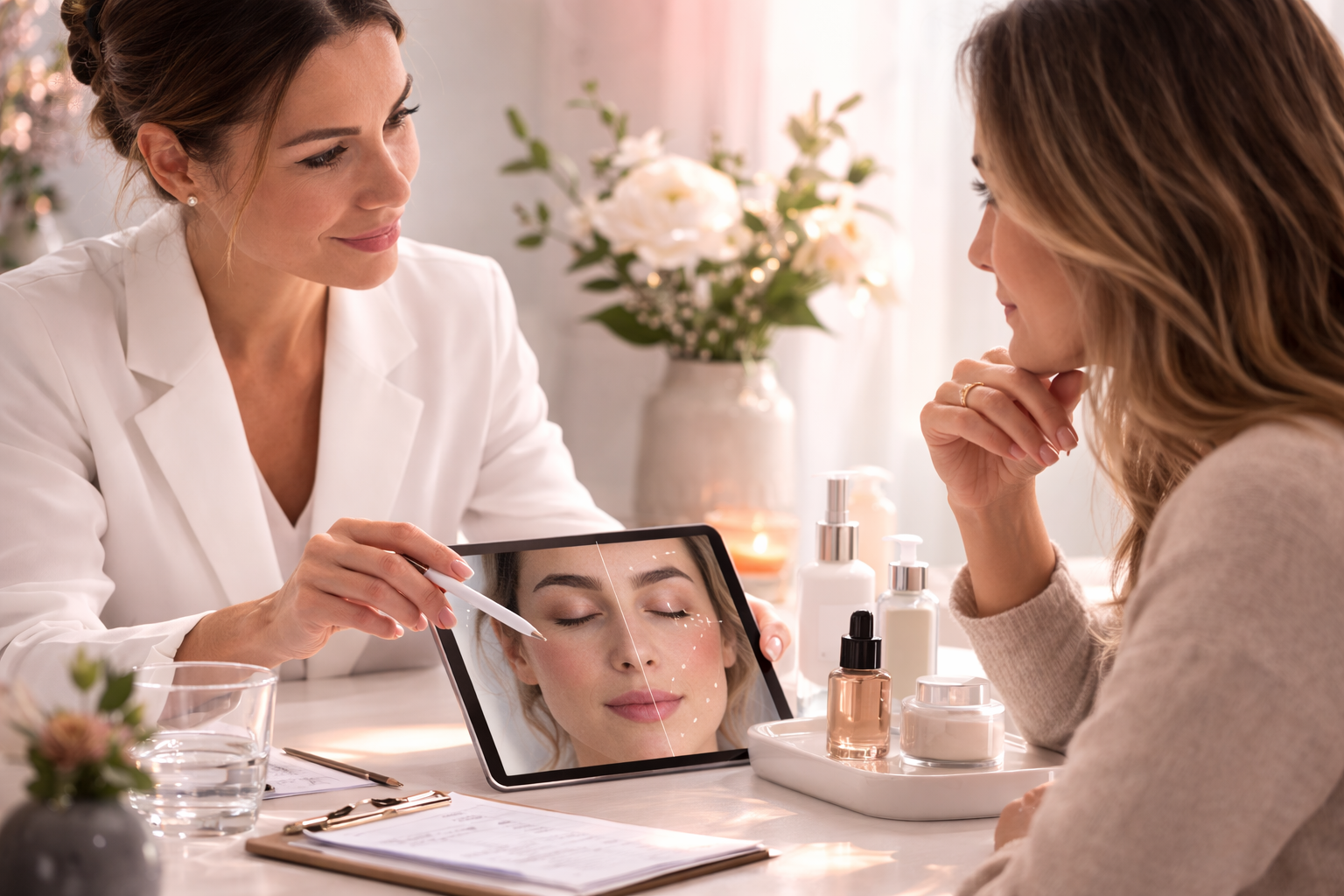
If you are considering exploring aesthetic treatment — whether for the first time or after a period of reflection — the following provides a clear picture of what the process typically involves and what to bear in mind as you move forward.
The process into aesthetics begins with a consultation. This is an informal, supportive conversation — a chance to discuss what you have noticed about your skin or appearance, to explore the options available, and to ask any questions you have. There is no pressure to commit to anything during or after this initial meeting.
During a consultation, an assessment of your skin condition and facial balance will typically be carried out. This helps to ensure that any recommendations made are genuinely suited to your individual goals and circumstances.
The consultation is also a time to learn. Understanding how different treatments work, what results they might produce, and what to expect over time is an important part of making decisions that feel right for you.
There is never any hurry in the aesthetic process. After a consultation, many people take time to reflect on what they have learned before deciding on a course of action — and that is entirely appropriate. Good aesthetic care is defined by considered decisions, not rushed ones.
If you decide to proceed, a personalised treatment plan will be developed in collaboration with you. If you decide that now is not the right time, or that treatment is not right for you at all, that decision will be respected fully.
Coming to a consultation with a sense of what you have noticed or what you are curious about can be helpful, but there is no requirement to arrive with a clear agenda. Some people come with specific concerns in mind. Others arrive simply wanting to learn more about their skin and the options available.
It can be useful to consider your overall skincare routine, any relevant medical history, and what your general lifestyle involves — as these factors will all be part of the conversation. But above all, simply arriving with an open mind and a willingness to ask questions is enough.
Following any treatment, clear aftercare guidance will be provided. This will cover any steps to take in the immediate period after treatment, what to look out for, and how to maintain results over time. Ongoing support is available throughout the process — not just during the treatment itself.
Communication remains open after treatment. If anything feels unexpected, or if you simply have questions as time goes on, reaching out is always welcomed and encouraged.
At its best, aesthetic care is about enabling people to feel at ease with how they look — not by changing who they are, but by supporting the skin and appearance in a way that feels authentic, considered, and genuinely theirs.
Every face carries character. Every person has their own relationship with their appearance. The work of aesthetic care, when approached with the care and respect it demands, is simply to support that relationship — with knowledge, skill, and an enduring commitment to the wellbeing of each individual.